Contents:
- Intro to Comparison
- Comparison Criteria
- Understanding Quotes
- Understanding Estimates
- Understanding Invoices
- An Expert Quote
- Include a Comparison
- Estimates Versus Bids
- Comparison Table
- Who Each Is For
- Verdict
- FAQ
- Is a quote legally binding?
- Can an estimate become an invoice later?
- What happens if actual costs exceed an estimate significantly?
- Using Software to Manage All Three Documents
- Setting Clear Payment Terms on Invoices
- Handling Disputes Over Estimate Accuracy
- Building Client Trust Through Transparency
- Following Up on Overdue Invoices Professionally
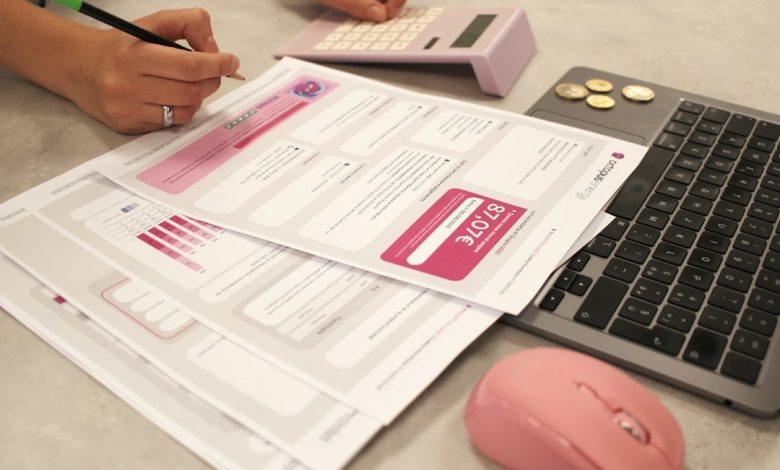
A contractor hands over paperwork after a kitchen remodel, and the client stares in confusion at three very differently named documents.
Intro to Comparison
Quotes, estimates, and invoices serve distinct purposes throughout a business transaction, and confusing them causes real payment and legal disputes.
Comparison Criteria
Each document differs by timing, binding commitment level, and purpose within the customer relationship, from initial pricing through final payment.
Understanding Quotes
A quote provides a fixed price for specifically defined work, typically binding once accepted, making it appropriate for well-defined projects.
Understanding Estimates
An estimate offers an approximate price range, acknowledging that final costs may vary based on factors discovered once work begins.
Understanding Invoices
An invoice requests payment for completed work or delivered goods, serving as the final billing document after services are rendered.
An Expert Quote
“Confusing an estimate with a firm quote causes more client disputes than almost anything else,” says contractor billing consultant Marcus Webb.
Include a Comparison
Estimates Versus Bids
Bids, common in construction, resemble quotes but often involve competitive submission against other contractors for the same specific project.
Comparison Table
Quotes offer fixed pricing pre-work, estimates offer approximate pricing pre-work, and invoices request payment post-work completion, each serving a distinct stage.
Who Each Is For
Quotes suit well-defined projects like fixed-scope web design, estimates suit variable-scope work like renovations, and invoices apply universally after delivery.
Verdict

Using the correct document type at each stage protects both business and client from misunderstandings about final cost expectations.
FAQ
Is a quote legally binding?
Generally yes, once accepted by the client, a quote functions as a binding agreement on price for the specified work.
Can an estimate become an invoice later?
Yes, many businesses convert an accepted estimate directly into an invoice once work is completed, updating for any actual cost changes.
What happens if actual costs exceed an estimate significantly?
Reputable businesses communicate cost overruns promptly, ideally getting client approval before proceeding with work exceeding the original estimate substantially.
Using Software to Manage All Three Documents
Invoicing platforms like QuickBooks and FreshBooks let businesses generate quotes, estimates, and invoices consistently from one connected system.
Setting Clear Payment Terms on Invoices
Specifying due dates and accepted payment methods directly on invoices reduces confusion and speeds up collection significantly.
Handling Disputes Over Estimate Accuracy
Documenting why actual costs exceeded an estimate, with photos or notes, helps resolve client disputes fairly and professionally.
Building Client Trust Through Transparency
Clearly explaining the difference between these documents to clients upfront prevents misunderstandings before they escalate into larger disputes.
Following Up on Overdue Invoices Professionally
A polite, timely reminder for overdue invoices maintains the client relationship while still protecting the business’s cash flow needs.