Contents:
- Brief Intro
- Preparation
- Step 1: Get Your USDOT and MC Authority
- Step 2: Secure Proper Insurance
- Step 3: Find Your First Loads
- Step 4: Understand Realistic Earnings
- An Expert Quote
- Common Mistakes to Avoid
- A Regional Difference
- FAQ
- How much does it cost to start a box truck business?
- Do I need a CDL to operate a box truck?
- How long does it take to become profitable in this business?
- Building Long-Term Client Relationships
- Managing Truck Maintenance Proactively
- Scaling Beyond a Single Truck
- Understanding Fuel Cost Management
- Balancing Spot Market and Contract Freight
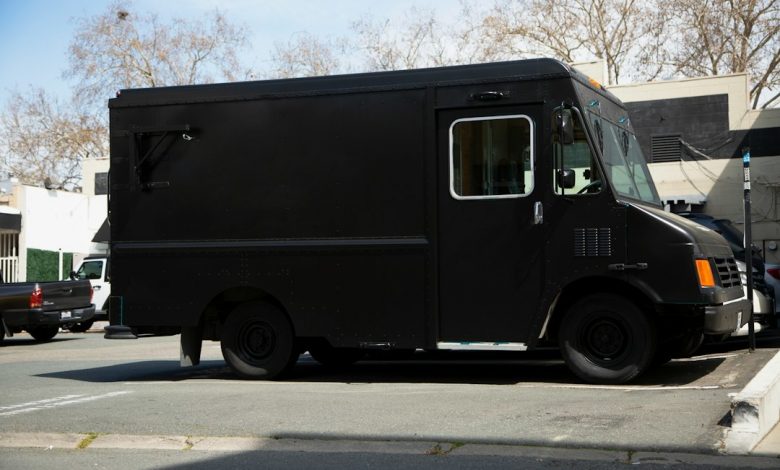
A single box truck sitting in a driveway represents either an idle asset or the start of a genuinely profitable hauling business.
Brief Intro
Starting a box truck business requires proper authority, understanding load types, and realistic earnings expectations before investing heavily.
Preparation
Obtain a USDOT number and appropriate operating authority before hauling any commercial freight, a legal requirement most newcomers underestimate.
Step 1: Get Your USDOT and MC Authority
Register through the FMCSA for a USDOT number, and if hauling for others, obtain MC operating authority costing around $300.
Step 2: Secure Proper Insurance
Commercial auto and cargo liability insurance, often costing $800-$1,500 monthly, is required before legally accepting paying freight loads.
Step 3: Find Your First Loads
Load boards like DAT and Truckstop.com connect independent operators with available freight, though building direct client relationships pays better.
Step 4: Understand Realistic Earnings
Box truck operators typically earn $0.80-$1.50 per mile, with net profit depending heavily on fuel costs and load consistency.
An Expert Quote
“New operators often underestimate fuel and maintenance costs,” says trucking consultant Frank Delgado. “Budget conservatively during your first six months.”
Common Mistakes to Avoid
Accepting every available load without calculating true cost per mile often traps new operators in unprofitable, exhausting driving schedules.
A Regional Difference
Northeast corridors offer dense, frequent short-haul freight, while Southern and Western regions often favor longer routes with different pricing structures.

FAQ
How much does it cost to start a box truck business?
Total startup costs, including a used truck, authority, and insurance, typically range from $15,000-$40,000 depending on truck condition.
Do I need a CDL to operate a box truck?
Most box trucks under 26,000 pounds don’t require a CDL, though heavier configurations do require proper commercial licensing.
How long does it take to become profitable in this business?
Many operators reach profitability within six to twelve months, once they’ve built consistent client relationships and optimized routes.
Building Long-Term Client Relationships
Moving beyond load boards toward direct contracts with regular shippers provides steadier, more predictable income than spot-market freight alone.
Managing Truck Maintenance Proactively
Scheduled maintenance prevents costly breakdowns mid-route, protecting both earnings and reputation with clients depending on reliable delivery.
Scaling Beyond a Single Truck
Once one truck runs profitably and consistently, adding a second vehicle and hiring a driver can meaningfully expand overall earning capacity.
Understanding Fuel Cost Management
Tracking fuel efficiency and route planning carefully significantly affects net profit, since fuel represents one of the largest recurring expenses.
Balancing Spot Market and Contract Freight
Mixing predictable contract loads with occasional higher-paying spot market freight often maximizes both stability and overall earnings potential.