Contents:
- Overview of End Result
- What You’ll Need
- Step 1: Research Your State’s Cottage Food Laws
- Step 2: Identify Allowed Products
- Step 3: Complete Required Food Safety Training
- Step 4: Package and Label Properly
- Common Mistakes to Avoid
- An Expert Quote
- Include a Seasonal Timeline
- FAQ
- How much can I earn under cottage food laws?
- Do I need a business license for a cottage food operation?
- Can I sell cottage food products online or ship them?
- Next Steps
- Transitioning Beyond Cottage Food Limits
- Building a Loyal Local Customer Base
- Pricing Home-Baked Goods Fairly
- Staying Current With Changing Regulations
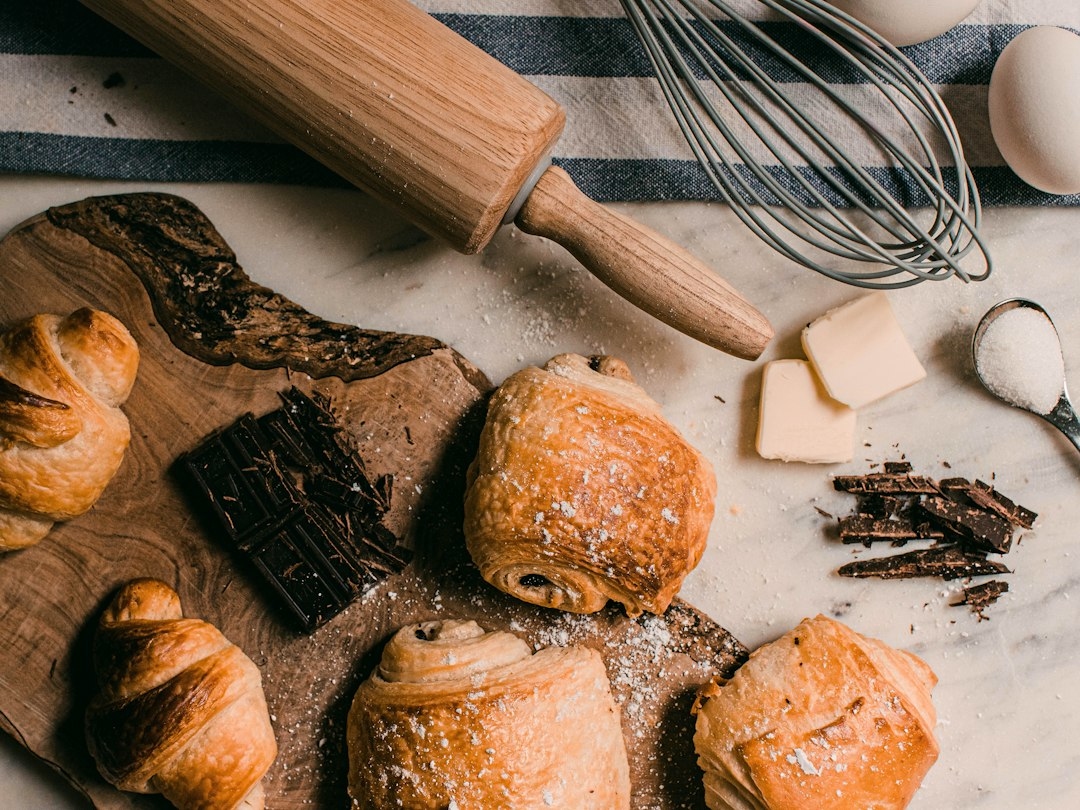
A warm kitchen filled with the smell of fresh bread has quietly launched more legitimate businesses than most people ever realize possible.
Overview of End Result
By the end of this process, you’ll understand cottage food laws and have a legally compliant home baking business ready to sell.
What You’ll Need
Knowledge of your state’s specific cottage food laws, basic food safety training, and packaging that meets labeling requirements.
Step 1: Research Your State’s Cottage Food Laws
Each state defines allowed products, sales limits, and labeling requirements differently, making state-specific research the essential first step.
Step 2: Identify Allowed Products
Most cottage food laws permit low-risk items like bread, cookies, and jams, while excluding items requiring refrigeration like cream-filled pastries.
Step 3: Complete Required Food Safety Training
Many states require a food handler’s certification, typically costing $10-$30 and completed through a brief online course.
Step 4: Package and Label Properly
Labels must typically include ingredients, allergen warnings, and a statement noting the product was made in an uninspected home kitchen.
Common Mistakes to Avoid
Selling products not permitted under your state’s cottage food law, like those requiring refrigeration, risks fines and forced closure.
An Expert Quote
“Read your state’s exact product list carefully,” says home bakery consultant Nora Ellis. “Many bakers assume broader permission than actually exists.”
Include a Seasonal Timeline
Holiday seasons, particularly November and December, generate significant demand for home-baked goods, making early marketing preparation valuable.
FAQ
How much can I earn under cottage food laws?
Many states cap annual gross sales, often between $25,000 and $50,000, before requiring a licensed commercial kitchen instead.
Do I need a business license for a cottage food operation?
Requirements vary; some states require only cottage food registration, while others also require standard local business licensing.
Can I sell cottage food products online or ship them?
Rules vary significantly by state; some permit online sales and shipping, while others restrict sales to in-person or local transactions only.
Next Steps
Once compliant, build a simple website or social presence showcasing your products, since word-of-mouth often drives early cottage bakery sales.
Transitioning Beyond Cottage Food Limits
Once sales approach your state’s cap, moving into a licensed commercial kitchen allows continued legal growth beyond cottage food restrictions.
Building a Loyal Local Customer Base
Farmers markets and local pickup groups often provide the most reliable early customer base for a growing home bakery business.
Pricing Home-Baked Goods Fairly
Factoring in ingredient costs, time, and packaging when pricing prevents the common mistake of underpricing homemade goods significantly.
Staying Current With Changing Regulations
Cottage food laws occasionally change, so checking your state’s department of agriculture website periodically keeps your business fully compliant.