Contents:
- Overview of End Result
- What You’ll Need
- Step 1: Register Your Business and Get Insured
- Step 2: Purchase Essential Equipment
- Step 3: Set Competitive, Profitable Pricing
- Step 4: Check Local Permit Requirements
- Include a Comparison
- Mowing Versus Full-Service Landscaping
- Common Mistakes to Avoid
- A Personal Example
- FAQ
- How much can a landscaping business realistically earn?
- Do I need a pesticide license to spray lawns?
- Is landscaping work seasonal?
- Building Recurring Contracts
- Expanding Into Additional Services
- Handling Weather-Related Scheduling Challenges
- Hiring Help as Demand Grows
- Investing in Reliable Equipment Maintenance
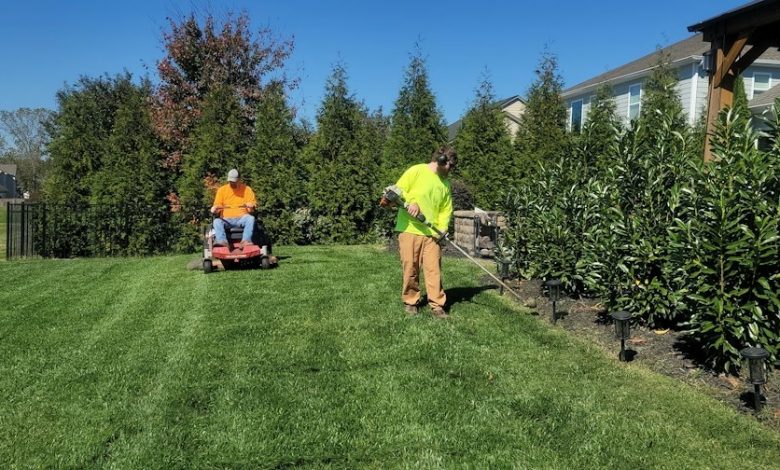
A single reliable mower and a truck someone already owns can realistically become a profitable landscaping business within just a few weeks.
Overview of End Result
By the end of this process, you’ll have equipment, pricing, and permits needed to legally operate a landscaping business in your area.
What You’ll Need
A mower, trimmer, basic hand tools, a reliable truck or trailer, and liability insurance covering property damage risks.
Step 1: Register Your Business and Get Insured
Register an LLC for around $50-$200 depending on your state, then purchase general liability insurance costing roughly $500-$800 annually.
Step 2: Purchase Essential Equipment
A basic setup including a commercial mower, trimmer, and blower costs $3,000-$8,000, with used equipment reducing costs for new businesses.
Step 3: Set Competitive, Profitable Pricing
Research local competitor pricing, then price services to cover equipment costs, gas, and genuinely fair hourly labor compensation.
Step 4: Check Local Permit Requirements
Some municipalities require specific business licenses for lawn care, plus additional permits for pesticide or fertilizer application services.
Include a Comparison
Mowing Versus Full-Service Landscaping
Basic mowing requires minimal equipment and skill, while full-service landscaping demands more investment but commands significantly higher project pricing.
Common Mistakes to Avoid
Underpricing services to win early customers often traps landscapers in unprofitable contracts that become difficult to renegotiate later.
A Personal Example
A former retail worker started with a $1,200 used mower, booked six regular clients within two months, and reinvested profits into a trailer.
FAQ
How much can a landscaping business realistically earn?
Most residential mowing jobs charge $30-$80 per visit, with experienced operators completing six to ten jobs daily during peak season.
Do I need a pesticide license to spray lawns?
Yes, most states require specific certification for pesticide and herbicide application, separate from general business licensing requirements.
Is landscaping work seasonal?
Demand peaks in spring and summer in most climates, though snow removal or leaf cleanup services can extend income into other seasons.
Building Recurring Contracts
Offering seasonal maintenance packages converts one-time customers into predictable, recurring revenue that stabilizes income throughout the year.
Expanding Into Additional Services
Adding mulching, seasonal cleanup, or basic irrigation repair diversifies revenue beyond mowing alone once initial equipment investment is recovered.
Handling Weather-Related Scheduling Challenges
Building flexibility into scheduling and communicating proactively with clients about weather delays maintains trust during unpredictable seasons.
Hiring Help as Demand Grows
Bringing on a part-time helper during peak season allows an owner to accept more jobs without sacrificing service quality or timeliness.
Investing in Reliable Equipment Maintenance
Regular equipment servicing prevents costly mid-season breakdowns that can delay schedules and frustrate waiting residential clients.